
Composition in painting is a mutual arrangement of the elements of the artwork, which should evoke a sense of unity, integrity and harmony in the viewer. This is the structural basis of a picture, drawing, illustration, the connection of elements on the canvas with each other. The composition is based on the principles of perception and is closely related to the content of the picture, the character of the disclosure of the artistic image, the author’s idea and the purpose of the artwork.
The laws, principles and rules of composition are formed on the basis of the laws of human perception of reality and world artistic experience.
In visual arts, composition is responsible for the competent distribution of elements (figures, objects, volumes, colors, light and shadow, details and directions, etc.). This is a kind of skeleton of the artwork, with the help of which it acquires integrity, completeness, interconnection of all elements and their subordination to the main idea of the picture.
So the main elements of the composition are: drawing, color, shape and others.
The artist’s work on the composition includes several successive stages. This is the search for the theme of the artwork, the definition of the idea of the picture, the selection of the plot, the selection of the format, the size of the canvas and the execution technique. After that, you should create the structure of the lines of the future work, find the most expressive and characteristic poses of the characters, decide on the stylization of the picture. Next, refine the balance of color and tonal spots in the picture, the rhythm of the elements. Finally, you can strengthen the semantic and compositional center, the nature and number of details, etc.
The simplest composition schemes demonstrate classical paintings. In them, all elements of the composition are placed in geometric shapes: triangle, oval, circle, square, rectangle.
The composition can be closed or open. In the first option, all elements tend to the middle, to the center and are surrounded on all sides by a small empty space. In an open composition, all elements tend to break out of the picture, they can partially go beyond the edges of the image or touch them.
In any painting, the artist strives to build a composition in such a way that the depicted objects are in the most expressive form. Everything superfluous in the picture is discarded, only what is really necessary and is the main object of the work remains on the canvas. There are certain rules for achieving such an effect and building a composition.
Composition rules
In order to create harmonious pictures, it is also necessary to know compositional techniques, among which the following are distinguished:
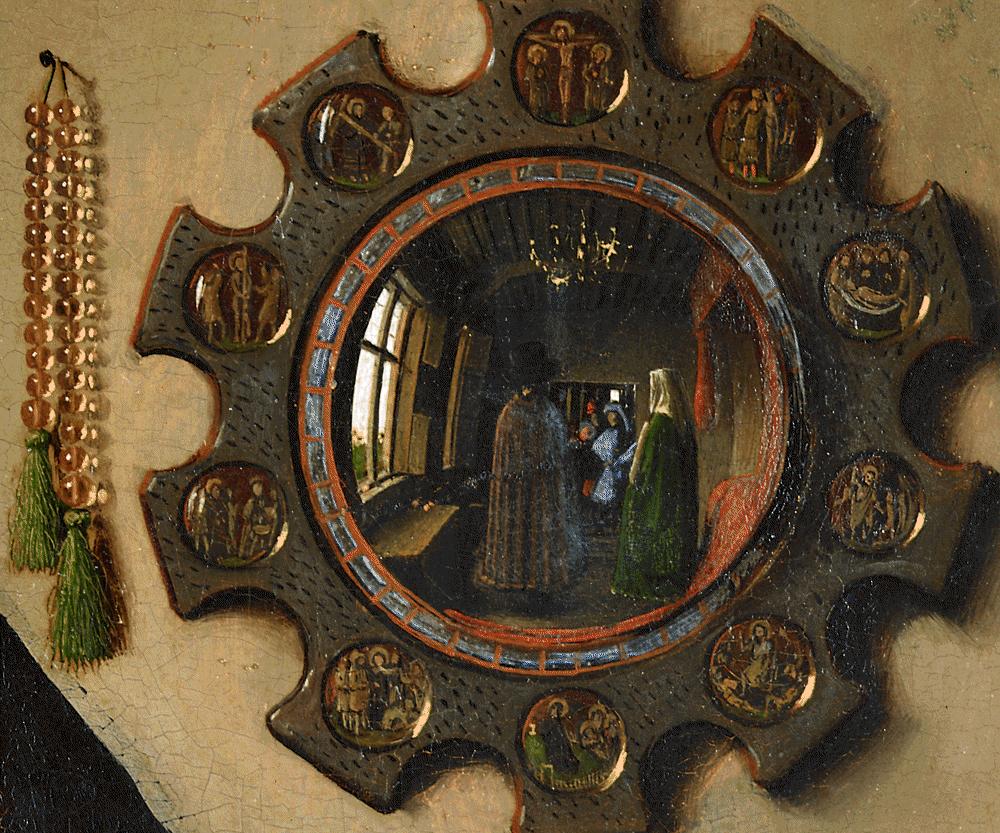
Types of composition, its techniques can be considered on the example of some works of art. So, if you look at the famous painting by Jan van Eyck «The Arnolfini Portrait», you can see that its elements evenly fill the space, do not overlap each other, being placed lower or higher on the canvas. This type of composition originates in the Renaissance. Works of this type consist of two plans: a well-developed foreground with some action and a background with an architectural or natural landscape.
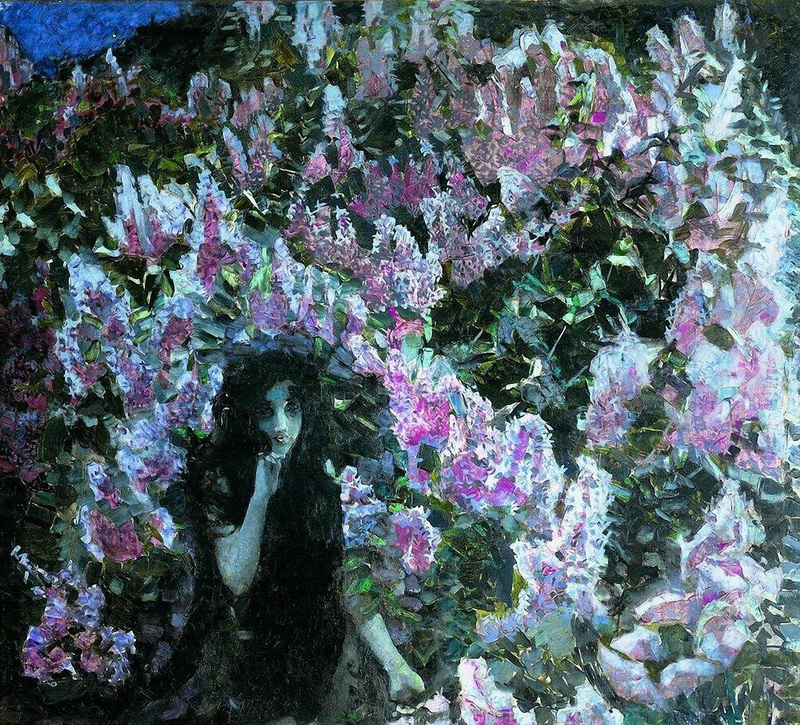
Also you can build the space of the composition with the help of color. An example of this technique is Mykhailo Vrubel’s painting «Lilac». Here, the artist solved the task of the composition (the image of a person in the foreground and a blooming lilac in the background) only with the help of color.
Understanding the rules and techniques of composition will allow you not only to correctly line up the elements of the picture, but also to take perfect photographs, because the compositional «tricks» of these types of art are practically the same.
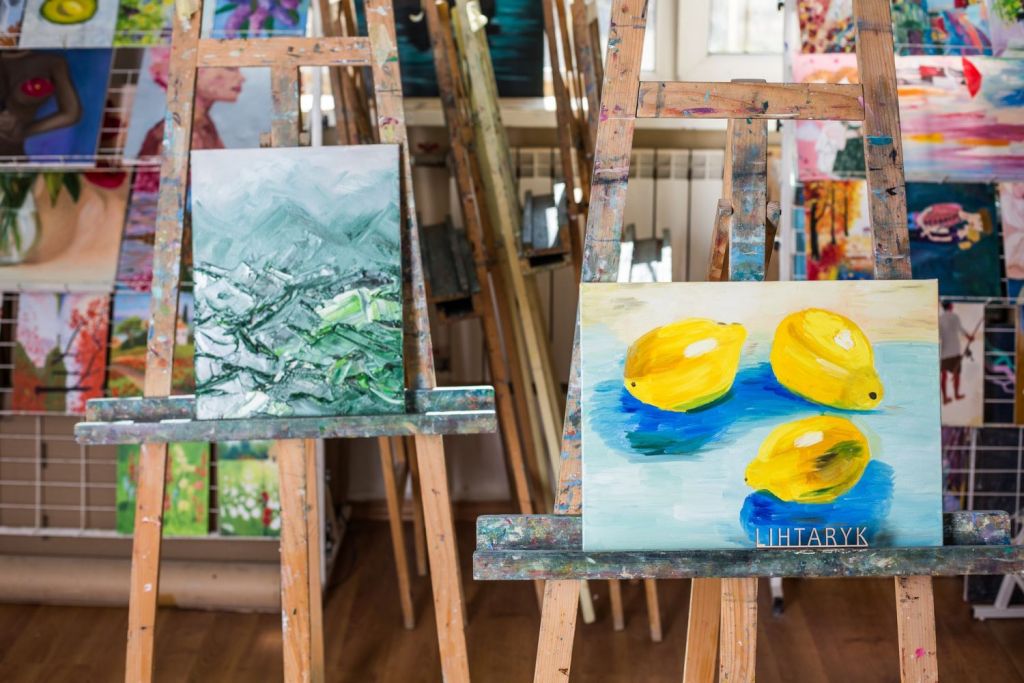
The «Lihtaryk» art studio invites you to oil painting master classes, pastel, watercolor painting and graphics, where, among other things, you will learn about artistic composition and will be able to directly apply this knowledge in practice. And the most important thing is to have a wonderful rest and reveal your creative potential by finding an interesting place where to go in Kyiv.
We offer offline and online master classes. Also you can order gift certificates for our creative master classes.
У меня синдром Стендаля сегодня. Утром ходили в Падуанский баптистерий. Смотрели фрески Менабуя. А после обеда у нас было посещение каппелы Скровеньи. Теперь я понимаю , что сделал Джотто для мира. Очень меня все это впечатлило в живую. Привет передала. Мир прекрасен. Падуя очень понравилась:) спасибо за лекции Света!
Lily Golovchak
Our location


